


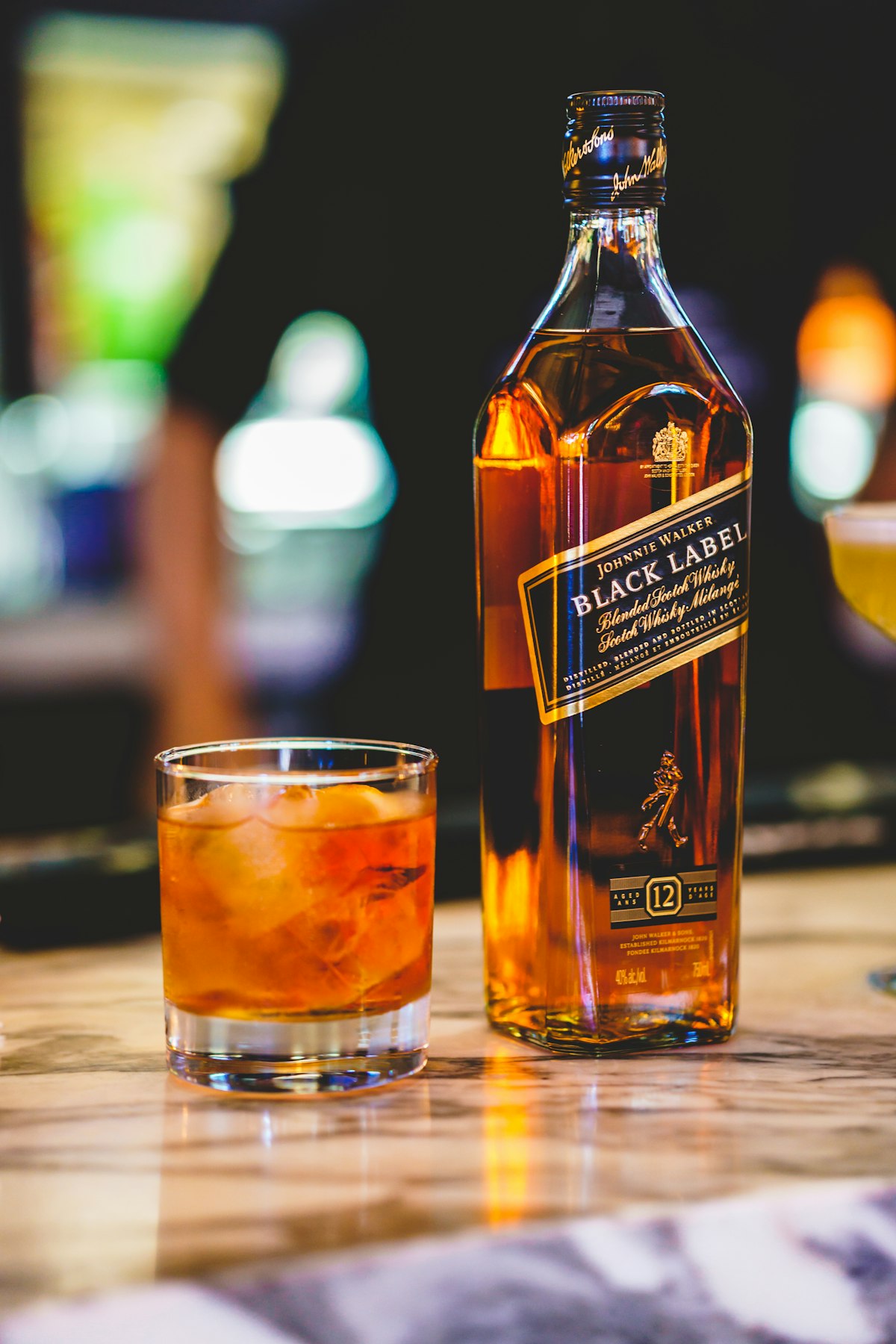
American whiskey continues to dominate shelf space, but buyers are actively hunting for the next growth category—and trade competitions have become the fastest path to discovery for emerging spirits brands.
Retail and hospitality buyers entering 2026 face a clear market split: established categories delivering steady margins alongside emerging segments demanding floor space and marketing support. The dynamics have shifted noticeably in the past 18 months, and brands unable to read these signals risk being crowded out.
The Established Players Still Rule—With Conditions
American whiskey remains the category anchor. Major retailers report whiskey represents 25–30% of spirits revenue, with bourbon and rye holding stable velocity despite increased competition. However, that stability masks a sorting process: mainstream offerings from established distilleries move consistently, while mid-tier and craft producers face longer sell-through cycles unless they’ve secured distributor push or retail partnerships.
Tequila and mezcal have matured beyond trend status. These categories now account for meaningful shelf allocation—retailers estimate 12–15% of spirits inventory devoted to agave-based spirits. The maturation means buyers differentiate more carefully: ultra-premium tequila (above $80 retail) and premium mezcal (above $70) show stronger attach rates and generate repeat purchases. Value-tier tequila has become commoditized, squeezing margins for undifferentiated brands.
Agave Alternatives Present Real Opportunity
Sotol and raicilla represent the emerging subdivision within agave spirits. Buyers are actively stocking these for cocktail programs and retail shelves, but discovery remains the bottleneck. These categories lack the brand awareness of tequila—most hospitality buyers have encountered sotol or raicilla through distributor education, bartender conversations, or industry tastings rather than consumer demand. This gap creates genuine opportunity for brands willing to invest in direct buyer engagement and education.
Low-ABV and Canned Cocktails Capture On-Premise Growth
Low-ABV spirits (under 30% ABV) and ready-to-drink canned cocktails are no longer niche. Hospitality venues report these categories growing 18–22% year-over-year, driven by consumer preference for sessionable drinks and at-home convenience. Buyers actively seek new entrants in these segments, particularly brands with distinctive flavor profiles or category innovation. However, shelf space remains contested; buyers prioritize products that move 8–10 units per week minimum in their venue.
How Buyers Actually Discover Brands
The path to retail and hospitality discovery has fragmented. Trade shows and industry competitions now function as primary vetting mechanisms—buyers use these events explicitly to sample emerging brands and meet producers. Distributor representatives remain critical; they influence 40–50% of new brand placement decisions in most markets. However, distributor relationships now require brands to deliver pre-existing retail momentum or compelling competition credentials.
Competitions have become legitimacy signals. Buyers treat award recognition as shorthand for quality verification, particularly for agave alternatives and low-ABV categories where consumer familiarity is still building. A gold medal at a respected spirits competition substantially increases retail and on-premise purchase consideration.
What This Means for Your Brand
Competing in 2026 requires aligning with buyer priorities: American whiskey brands need distributor partnerships and consistent velocity metrics; tequila and mezcal must emphasize premium positioning and margin contribution; agave alternatives and low-ABV spirits should target trade competitions as discovery and credibility tools; canned cocktails need demonstrated movement data and on-premise trial programs.
Entry into major trade competitions isn’t optional for emerging spirits brands—it’s the mechanism retail and hospitality buyers use to evaluate new products and allocate limited shelf space.
Comments are closed